

Diabetes is a chronic health condition that affects how your body turns food into energy. It occurs when the body either doesn’t produce enough insulin or cannot effectively use the insulin it produces. This leads to high levels of sugar (glucose) in the blood, which over time can cause serious health problems such as heart disease, kidney damage, vision loss, and nerve issues. While it’s a lifelong condition, diabetes can be managed with the right combination of medication, healthy eating, regular physical activity, and routine monitoring.

For individuals managing diabetes, nutrition plays a critical role in controlling blood sugar levels. Fortunately, several natural crops which are grown and consumed widely across Africa, offer both medicinal and nutritional benefits.
Below are nine crops that help regulate blood glucose levels and how they can be easily incorporated into daily meals.
- Bitter Leaf (Vernonia amygdalina)
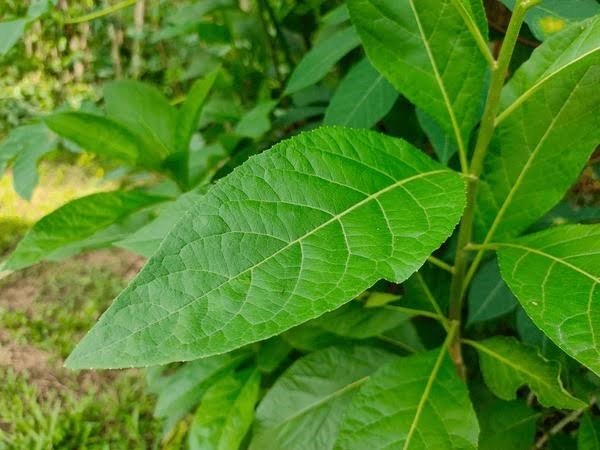
Bitter leaf is packed with antioxidants and compounds that support insulin function and reduce blood sugar spikes.
How it’s eaten:
- Cooked into traditional soups like Ofe Onugbu or bitter leaf soup
- Used to make herbal teas by boiling the leaves
- Occasionally blended into detox juices (with lemon or pineapple to balance bitterness)
2. Okra (Abelmoschus esculentus)
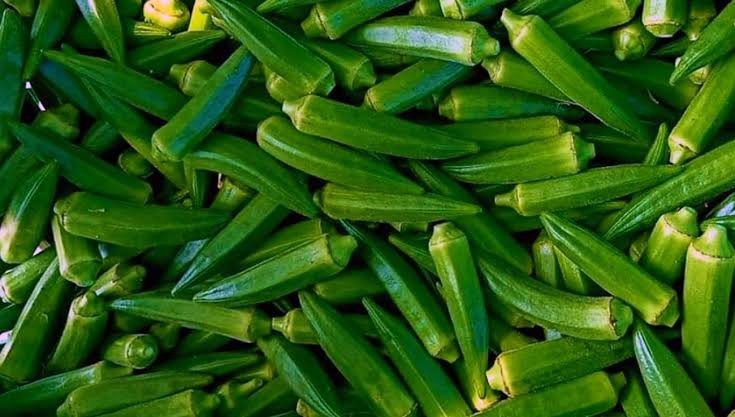
Okra is rich in fiber and mucilage, which slow down sugar absorption in the digestive tract.
How it’s eaten:
- Prepared as okra soup and eaten with swallows like amala or eba
- Sliced and soaked in water overnight (okra water) and drunk in the morning
- Occasionally included in vegetable stir-fries or stews
3. Unripe Plantain

Unripe plantain contains resistant starch that digests slowly, helping to stabilize blood sugar levels.
How it’s eaten:
- Boiled and served with egg sauce or vegetable stew
- Cooked as plantain porridge with palm oil, vegetables, and seasoning
- Processed into flour to make plantain swallow, a healthy alternative to regular fufu
4. Tiger Nuts (Cyperus esculentus)
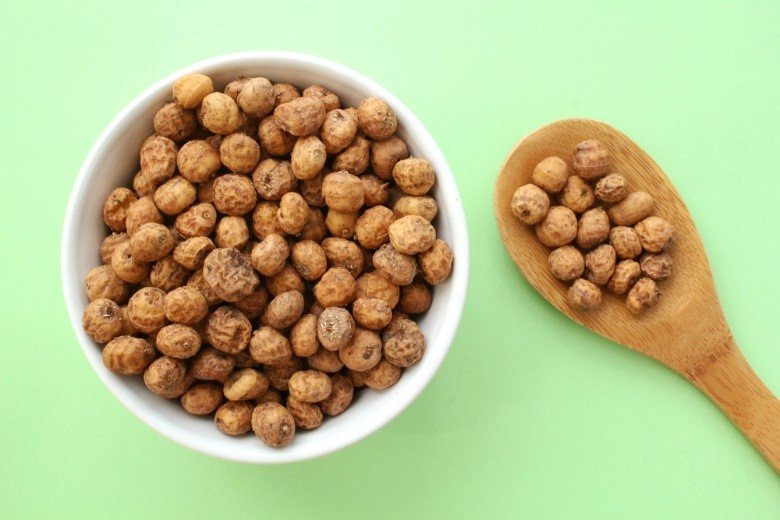
Tiger nuts are high in insoluble fiber and healthy fats that support digestive health and help regulate glucose levels.
How it’s eaten:
- Chewed raw as a snack
- Blended into Kunu Aya, a naturally sweet non-dairy drink
- Dried and milled into flour for baking pancakes, cookies, or bread
5. Moringa Leaves

Moringa contains bioactive compounds that improve insulin activity and reduce blood sugar.
How it’s eaten:
- Steeped into herbal tea using dried or fresh leaves
- Added to soups like egusi, vegetable soup, or light stews
- Dried and ground into powder to mix into smoothies, pap, or oatmeal
6. Brown Rice (Oryza sativa – whole grain)
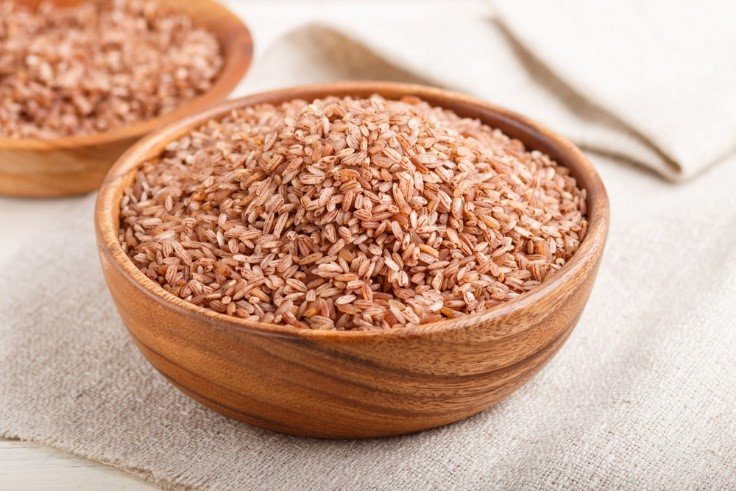
Brown rice is high in fiber and digests more slowly than white rice, helping to maintain stable glucose levels.
How it’s eaten:
- Served with stews, sauces, or vegetables
- Used in stir-fry or jollof rice variations
<
- Ground into flour for porridge or baking
7. Garlic (Allium sativum)
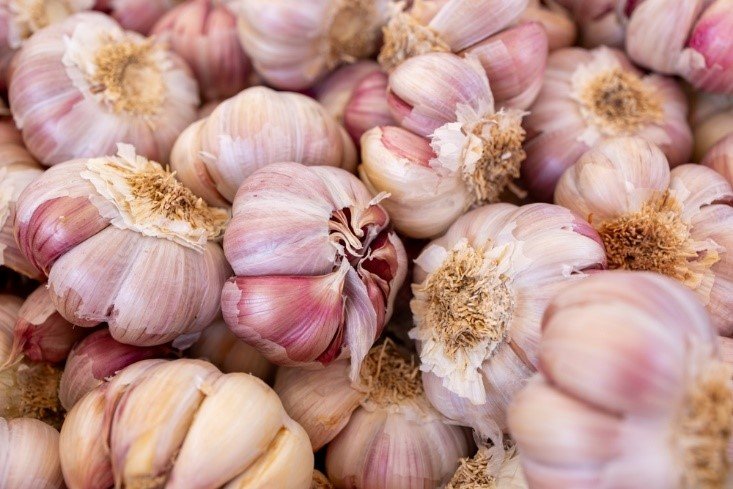
Garlic contains sulfur compounds and antioxidants that lower fasting blood sugar and improve insulin sensitivity.
How it’s eaten:
- Used in stews, sauces, and marinades
- Blended raw into health tonics or dressings
- Roasted and included in vegetable dishes
8. Maize (Zea mays – whole grain, fresh or dried)
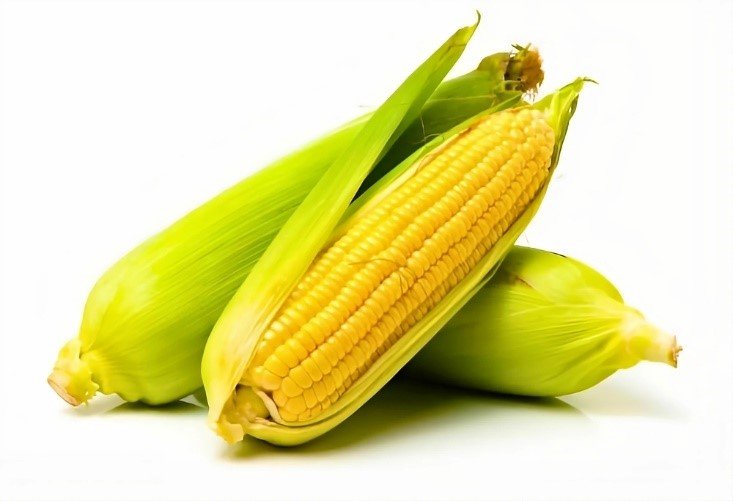
Maize, especially fresh or whole-grain forms, contains fiber and slow-digesting starches that support blood sugar control.
How it’s eaten:
- Boiled and eaten with beans or separately as a snack
- Ground into pap (when fermented) or eaten as tuwo
- Cooked as corn pudding or included in porridge
9. Ginger (Zingiber officinale)
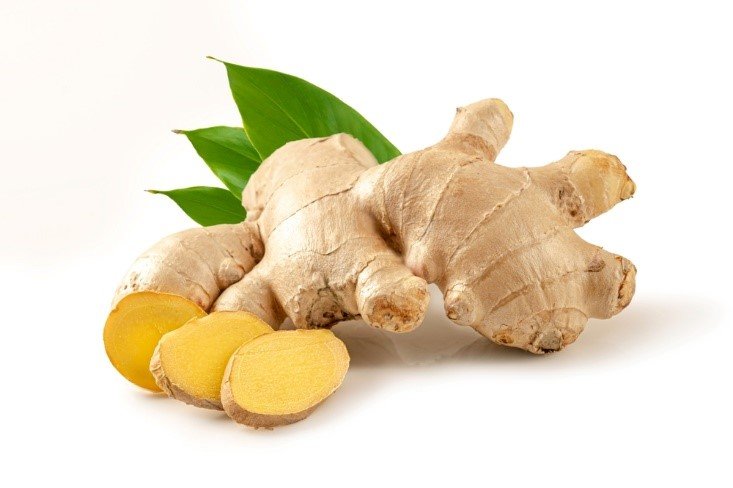
Ginger has powerful anti-inflammatory compounds that enhance insulin sensitivity and help reduce blood sugar levels.
How it’s eaten:
- Grated into teas or smoothies
- Added fresh to stir-fries, soups and stews.
- Ground into spice blends for marinades and stews
Eating Well for a Healthier Future
Blood sugar management is a lifelong journey, and nutrition plays a powerful role in supporting balance, energy, and long-term health. The crops highlighted in this post are not only accessible but also culturally relevant and packed with nutrients that support stable glucose levels. Many of them contain natural fibers, antioxidants, minerals, and plant compounds that assist the body in improving insulin sensitivity, reducing sugar absorption, and preventing dangerous spikes or crashes.
Incorporating these foods regularly into meals, whether through soups, porridges, teas, snacks, or swallows, offers a sustainable and natural way to manage diabetes, while also nourishing the body holistically.
At Garnet Spring, we are supply a wide range of high-quality agro commodities, including many of these nutrient-rich crops, across and beyond Nigeria. So whether you’re a food processor, retailer, nutrition brand, or health-focused organization, we’re committed to delivering quality crops that help build healthier communities.
Contact us today to place your order or discuss how we can support your supply chain and partnership needs.